
Blog
Benefits of Adult Ballet: Strength, Flexibility and Healthy Ageing
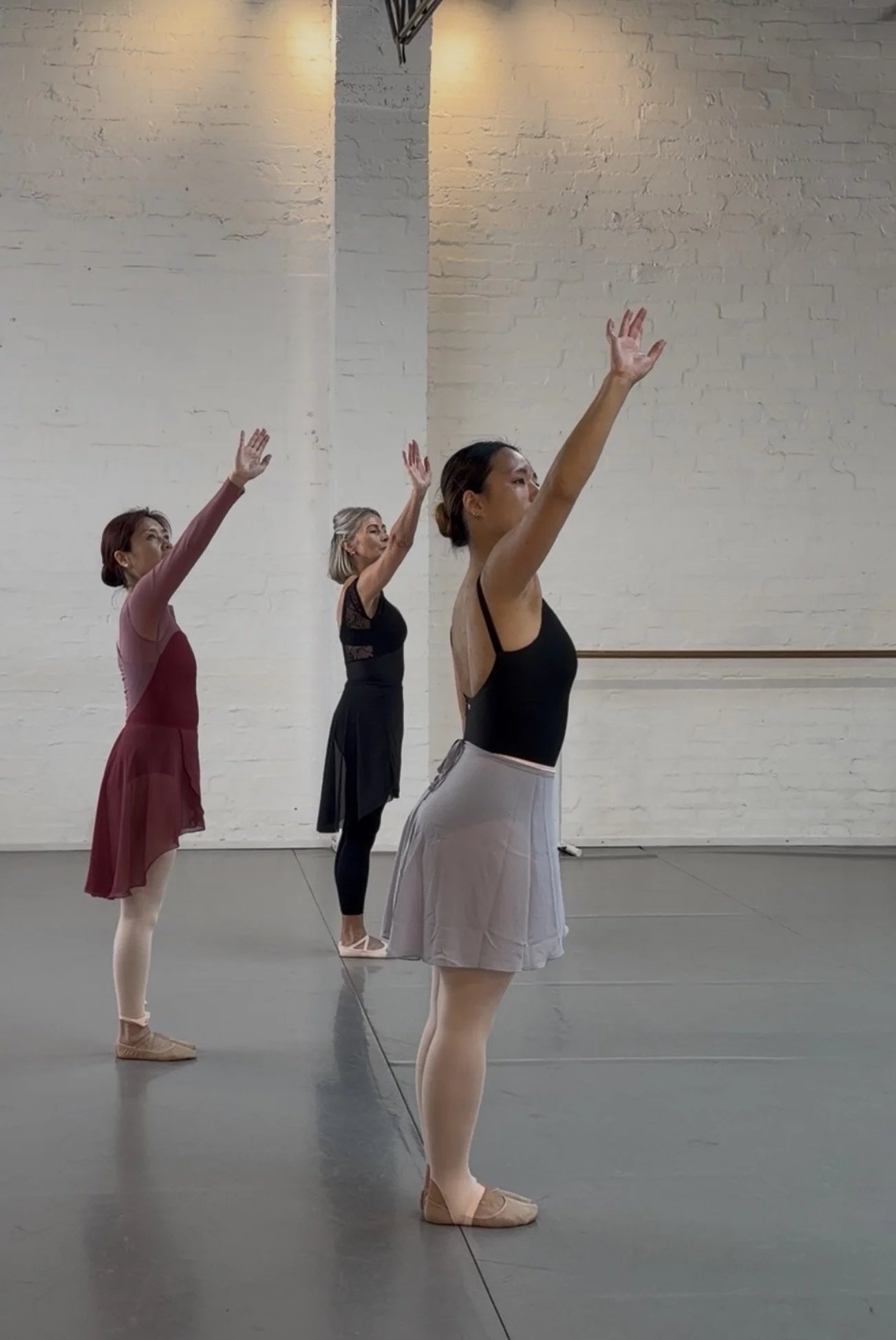
Adult ballet is more than an elegant form of exercise. Discover how thoughtfully structured ballet training can support strength, flexibility, balance, posture, coordination and healthy ageing, while offering an enjoyable practice adults can continue for years.
How Adult Ballet Builds Stronger Muscles and Tendons
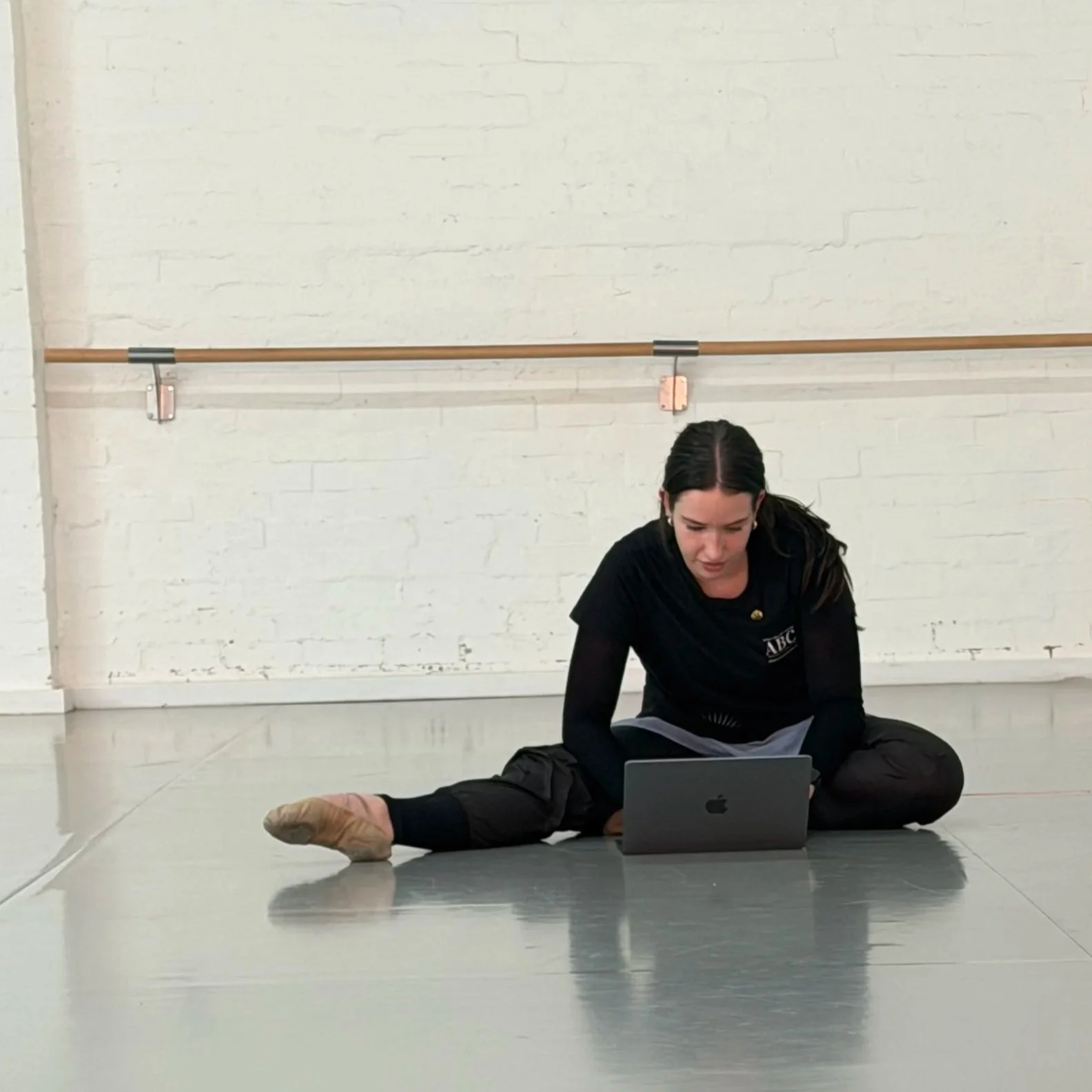
Discover how regular adult ballet training helps build muscular strength, tendon capacity, balance and technical control, and why twice-weekly attendance can provide a strong foundation for sustainable progress.
How to Improve in Ballet — Mollie’s Thoughts
The Difference Between a Good Dancer and a Great Dancer
As we move into the winter months at ABC and the showcase period comes to a close, I have found myself reflecting on a question I often come back to:
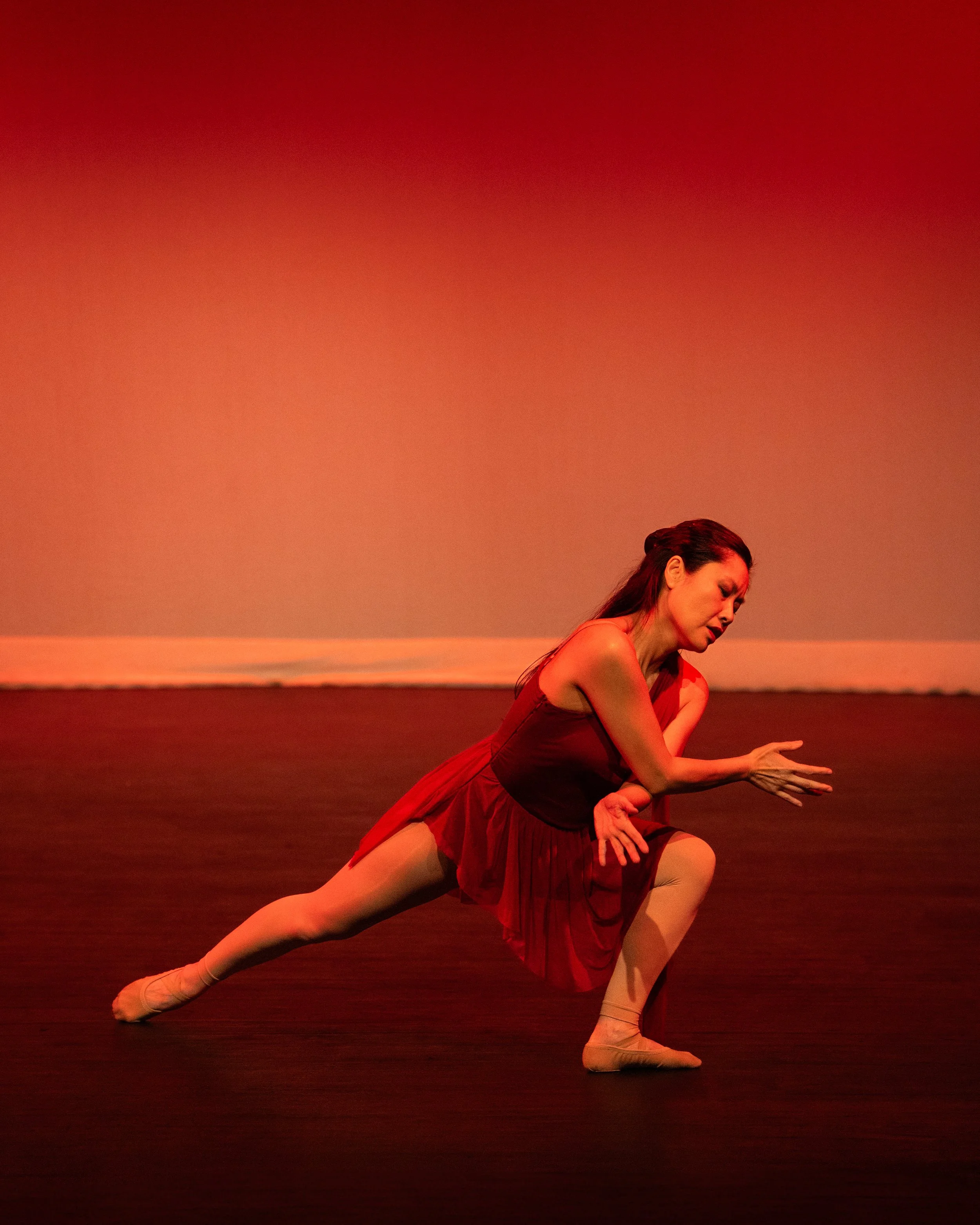
What is the difference between a good dancer and a great dancer? And perhaps more importantly, what are the steps any dancer can take to move closer to that level, if that is their goal? As I have been thinking about this in my own training and teaching, I wanted to share my perspective with you. Hopefully, you feel inspired by as you continue your own ballet journey.
The difference between a good dancer and a great one is often created in the details. It is the in-between moments. The transitions. The way you prepare before the movement begins. The way you finish after the step is technically “done”. These are the moments that can easily be thrown away or treated as minor, but they often have the greatest impact on the overall quality of your dancing.
There are many ingredients required to improve in ballet: strength, power, range of motion, coordination, musicality, movement quality, artistry, and skill development. At times, it can feel like a mountain to climb.
But the good news is that many of these areas develop together in tandem when you train with intention. Below are some of the biggest levers you can pull to transform your technique over time.
1: Consistency
This may not be new or profound to most of you, but often we need to be reminded more than we need to be taught. Committing 90 minutes of your time, whether that is twice a week, three times a week, or four times a week, and repeating that commitment not just for a month or two, but for eight months, twelve months, or longer, can turn you into a completely different dancer.
I see this happen with dancers at ABC all the time.
One of my favourite things about ballet is that it takes time to become great. There are no shortcuts. This means that when you look at your peers, your teachers, or dancers who have walked the path before you, you know the effort, discipline, and commitment it took for them to get there.
In that way, ballet is a great equaliser. Everyone has to take the journey. Everyone has to show up, repeat, refine, and keep going.
2: Corrections
When I was training, receiving a correction in class felt like receiving gold. You took every comment from your teacher and tried to place it on your body. You worked to understand what was being asked, then carried it with you through the rest of class.
The real transformation happens when you not only apply a correction in the moment, but remember it and continue applying it in future classes until it becomes a new habit.
That is where improvement becomes inevitable.
Ballet training is often limited not by how much information a dancer receives, but by how much they can absorb, remember, and consistently apply.
Of course, you may need to hear the same correction many times before it truly lands. That is completely normal. But the intention behind your training matters. If you are listening, thinking, experimenting, and giving yourself the chance to absorb the information, you are already training in a way that will move you forward.
Using Your Time Outside of Class
Ballet is complex. There are many elements that need to work together to create high-quality movement.
Ballet classes themselves will help improve your posture, balance, coordination, strength, and flexibility up to a point. But for more established dancers, particularly those in Level 4 and above at ABC, what you do outside the studio can make a big difference.
It might be as simple as doing calf raises three times per week, which can take less than five minutes. It might be ten minutes of mobility work after class when you get home. It might be spending a little extra time strengthening your feet, improving your turnout control, or working on an area that you know needs attention.
Small, consistent actions compound over time.
If there is a specific area of your technique that you feel you need to improve, the time outside of class is where you can support that progress. And if you are ever unsure where to start, I am always happy to suggest exercises for you to do at home.
The path from good to great is not usually built through one dramatic breakthrough. It is built through repeated effort, attention to detail, and the quiet decision to keep refining.
Class by class. Correction by correction. Detail by detail.
That is where great dancing is made.
Those are my thoughts for the day, I hope they help ~ Mollie
The Evolution of Adult Ballet Training at the Adult Ballet Centre
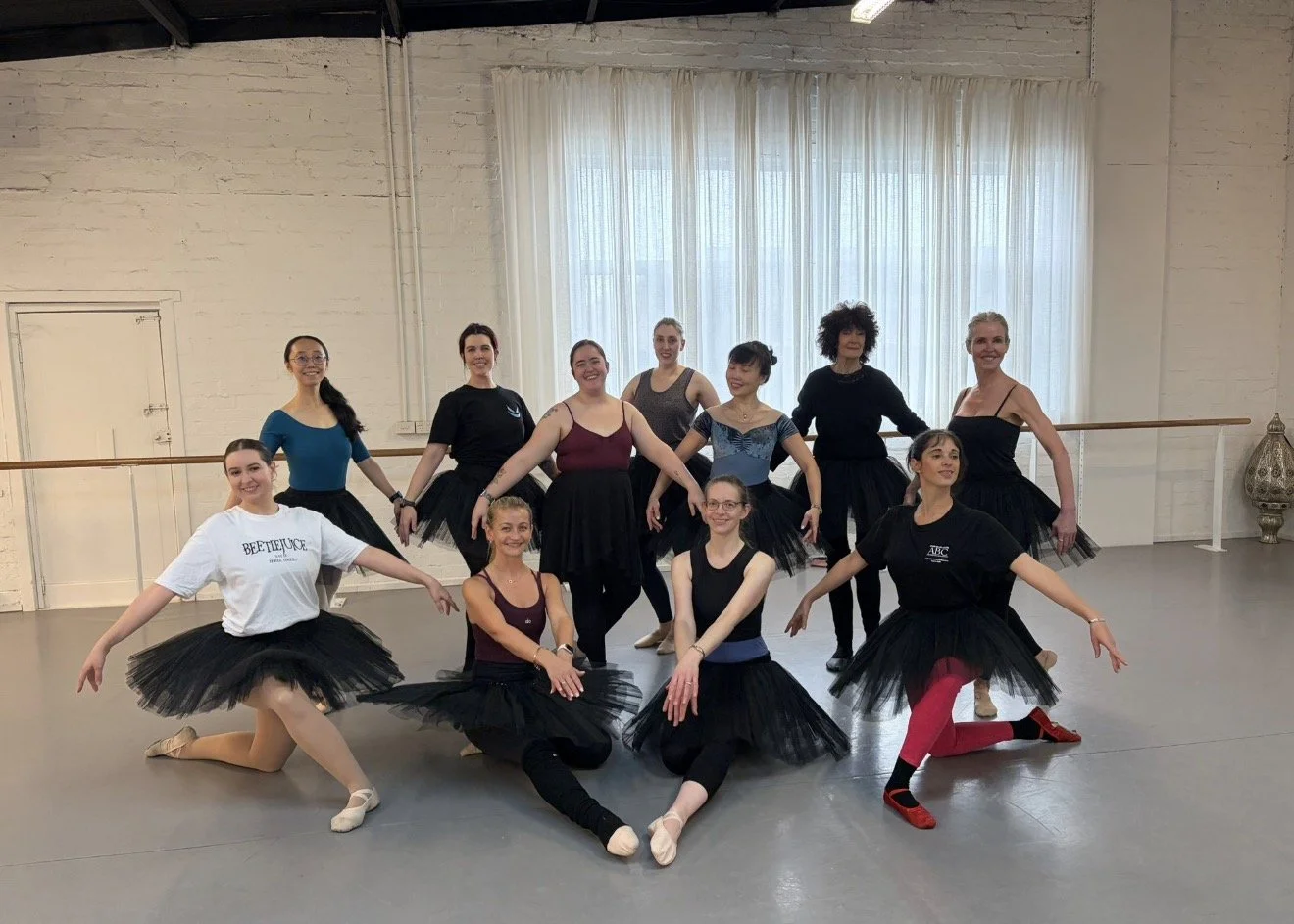
For many years, adult ballet was positioned as something casual, a recreational activity, a fitness alternative, or a nostalgic return to childhood. While there is nothing wrong with accessibility or movement for enjoyment, we have seen something different emerge inside our studios over time.
At the Adult Ballet Centre, adults don’t just attend ballet.
They practice it!